Posts

What are designer babies?
Image
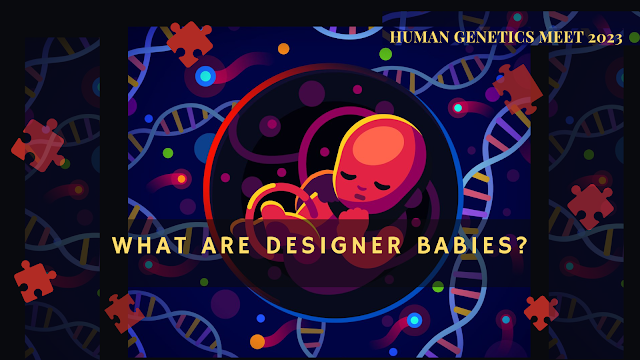
  Designer babies are those born from in-vitro fertilization (IVF) embryos chosen for their presence or lack of specific genes, or those born from pre-implantation embryos with genetic alterations made in an effort to influence the characteristics the offspring would have. Pre-implantation genetic diagnosis (PGD)-selected embryos are used to generate designer babies, or the traits of the offspring are tweaked genetically. The main goal of designing infants is to prevent heritable disorders that are caused by DNA mutations from affecting them. Adam Nash, who was born in 2000 via in vitro fertilization with pre-implantation genetic diagnosis, a method used to choose desired traits, is regarded as the first designer child. In order to prevent and cure genetic flaws that lead to disease, CRISPR designer babies are produced by altering DNA fragments. The most recent application of CAS9, a unique technology that can add or remove specific kinds of genes from a DNA molecule, was f...
Is it possible to reverse your biological age?

Image
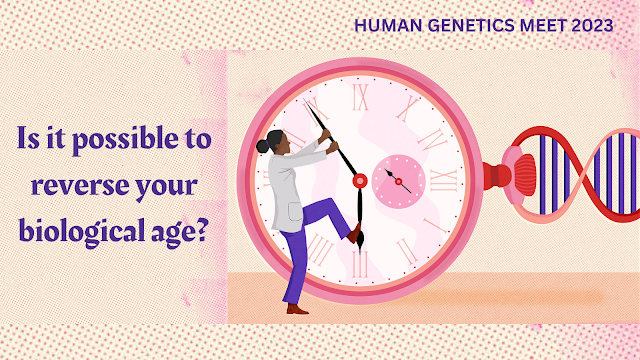
  In contrast to chronological age, biological age refers to the real age of your body. While biological age is flexible and can even be reversed, chronological age cannot be altered, allowing you to seem and feel younger than your actual age. Aging clocks are instruments that determine an organism's biological age using biomarkers. Since our physical and physiological functioning determines our biological age, researchers have known that this definition of ageing is very dynamic and substantially influenced by our surroundings, including our diet and way of life. Our epigenome, or the way in which our genes are expressed in response to the environment, is what establishes our biological age. We can actually slow down the biological ageing process by changing our diet and way of living. The intricacy of biological ageing and how our diet and lifestyle choices affect how our genes are expressed. It implies that you can start making little, doable adjustments that will have ...

Can cancer-related RNA modification machinery abnormalities are both hereditary and epigenetic?

Image
  In mammals, tissue-specific gene expression patterns must be maintained and properly developed through the use of epigenetic processes. Cancer was once thought to be a solely hereditary disease, however dysregulated genetic and epigenetic processes are now recognized to play a role in the cancer phenotype. More recently, it has been discovered that chemical alterations of RNA molecules, or the so-called epitranscriptome, control a number of RNA function and homeostasis-related processes. Depositing, deleting, and reading chemical alterations from RNA are carried out by certain enzymes called RNA-modifying proteins (RMPs). The crucial function of RNA changes in controlling a variety of biological pathways has recently been made clear by extensive research in the epitranscriptomic field and significant technical advancements. The fact that RNA modification machinery is frequently altered in human malignancies, as shown by mounting data, emphasises the immense potential of RMPs...

How is the integrity of the genome preserved?

Image
  Defects in specific systems that regulate cell division are the root cause of genomic instability. It happens in a variety of cancer kinds. These flaws could be typos that don't get fixed when DNA is duplicated in a cell or mutations in specific genes involved in repairing damaged DNA. Cells respond to DNA damage by using a specific DNA repair mechanism that can be broadly divided into five categories: BER, NER, MMR, NHEJ, and HR. These pathways help cells retain genomic integrity. DNA glycosylases start BER by removing the damaged base to create an apurinic/apyrimidinic (AP) site. For an organism to survive and for qualities to be passed down to children, genomic integrity must be maintained. Genomic instability is brought on by DNA deterioration, abnormal DNA replication, or ad hoc cell division, all of which can result in chromosomal abnormalities and gene mutations. By analyzing the signal distribution across the size range and applying an automatically derived value,...

Your genetic similarity to chimpanzees......!!!

Image
  Humans, chimps, and bonobos descended from one relation species that lived six or seven million years ago. As humans and chimps step by step evolved from a typical relation, their DNA, passed from generation to generation, was modified too. In fact, several of those polymer changes semiconductor diode to variations between human and pongid look and behavior. Chimpanzees square measure the nearest living relatives of humans. The divergence between human and great ape ancestors dates to close to vi,5–7,5 million years agone. Genetic options identifying USA from chimpanzees and creating USA humans square measure still of good interest. once divergence of their relation lineages, human and great ape genomes underwent multiple changes together with single ester substitutions, deletions, and duplications of polymer fragments of various sizes, insertion of permutable parts, and body rearrangements. It’s a troublesome task to quantitate the precise proportion of variations between hu...

What is the life expectancy of HCM?

Image
A mutation in one of the several genes that encode for the anatomy of the heart results in the disorder known as hypertrophic cardiomyopathy (HCM). Not all of the HCM-related genes have been discovered. As an autosomal dominant trait, the condition is inherited. In other words, there is a 50% probability that a parent with HCM will carry the defective gene to their offspring. Though the severity of the resulting heart illness cannot be properly anticipated, if a kid does inherit the mutation, the condition will most likely manifest during puberty (i.e., the heart wall muscle thickening). Although individuals with symptoms caused by blockage who have septal reduction therapy normally experience a significant improvement in symptoms and normal longevity, patients with no or only moderate symptoms typically have a better prognosis than those with more severe symptoms. However, the degree of cardiac involvement or the risk of sudden death do not always correlate with the severity o...

Does sleeping affect your genes?

Image
Hope you may plan to a movie or binge-watching on a weekend night   You might think that nothing is going wrong and you were just chilling out, Exactly it was not the thing that was happening …… Your internal cells are yelling at your brain cells, "Hey, what's wrong with you? We need sleep and have more system repairs to make." Your cells from inside are screaming on your brain cells like; “Hey, what’s wrong with you, we need sleep and have more repair work to do in our system.” Again lost in thoughts? Yes, our body sweeps entire toxins by the fluid, produced while sleeping and all the DNA damages are repaired well at night. Lack of sleep is linked to increased DNA breaks and decreased DNA repair gene expression, according to a study. The higher risk of malignancies and neurological illnesses in persons who lack sleep may be explained by DNA damage.